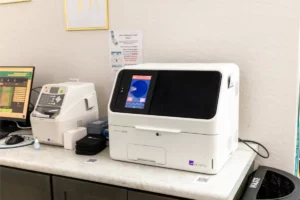

Pet Valley Fever in Queen Creek, AZ
Living in the Arizona desert comes with plenty of benefits, but it also means pet owners need to be familiar with Valley Fever. At Queen Creek Veterinary Clinic, we provide Queen Creek Valley Fever testing, monitoring, and care for pets showing symptoms of this common regional disease. Because early signs can look like many other health problems, getting the right veterinary evaluation matters. Our approach to valley fever treatment for pets combines diagnostic testing, individualized treatment, and ongoing monitoring so we can understand how your pet is responding and adjust care when needed. For immediate assistance, call us at (480) 987-8000.
What Is Valley Fever in Pets?
Valley Fever, or coccidioidomycosis, is a fungal infection caused by Coccidioides, a fungus found in desert soil throughout parts of the southwestern United States. When soil is disturbed and fungal spores become airborne, pets can inhale them. Dogs account for most diagnosed animal cases, although other animals can also become infected.
Not every pet exposed to the fungus becomes sick. In many dogs, the immune system is able to control the infection before noticeable illness develops. When the immune system does not contain it effectively, however, the infection can cause respiratory symptoms or spread beyond the lungs.
Valley Fever is particularly relevant for pet owners in central and southern Arizona because local soil and dry, dusty conditions create opportunities for exposure. In October 2019, 80% of the pets we tested for Valley Fever at Queen Creek Veterinary Clinic tested positive for the fungus, reinforcing just how important awareness is for our local patients.
Symptoms That May Point to Valley Fever
Valley Fever can affect pets differently, and its symptoms are not always specific to one disease. That is one reason we encourage owners to schedule an examination when something seems off, particularly if a dog lives in or has traveled through a desert region.
Common signs can include:
- A dry, hacking cough
- Limping or lameness
- Decreased appetite
- Unexplained weight loss
- Fever
- Low energy or other changes in behavior
In some animals, the disease remains primarily in the lungs. In others, it can disseminate, or spread, to areas such as the bones, skin, eyes, nervous system, or internal organs. Symptoms can therefore vary considerably depending on where the infection is located. So if your pet develops concerning symptoms, testing is important rather than assuming Valley Fever is the cause. Many other conditions can create similar signs.
How We Diagnose Valley Fever
Our diagnostic process begins with your pet’s symptoms, medical history, physical examination, and potential exposure to Arizona’s desert environment. Depending on what we find, we may recommend a Cocci profile that includes blood testing such as a CBC, chemistry panel, T4, and Cocci titer.
A Valley Fever titer can provide valuable information, but it is not the only factor we consider. In some symptomatic pets, a titer may initially be negative even when Valley Fever is still suspected. Depending on the animal’s condition and clinical signs, additional imaging such as radiographs or CT imaging may be appropriate.
That broader diagnostic approach matters because Valley Fever does not look identical in every patient. We use the available clinical information together rather than relying on a single test result in isolation.
Our Approach to Valley Fever Treatment for Pets
Fluconazole is one of the antifungal medications commonly used to treat Valley Fever in dogs, and it is widely prescribed in Arizona. Depending on your pet’s symptoms and test results, our veterinarian may recommend a trial of fluconazole or another appropriate treatment strategy.
If a symptomatic patient improves while receiving antifungal medication, that response can become another piece of the diagnostic and treatment picture. Valley Fever care is highly individualized, so medication selection, dosage, and duration depend on the pet’s condition, response, disease location, and laboratory findings.
Treatment is often lengthy. The University of Arizona Valley Fever Center for Excellence notes that antifungal treatment in dogs commonly lasts 6 to 12 months, while disseminated or neurologic disease may require substantially longer management.
Monitoring Your Pet Throughout Treatment
Starting medication is only one part of managing Valley Fever. Follow-up testing helps us see how your pet is responding and watch for changes that may affect the treatment plan.
Our protocol may include blood work approximately 30 days after treatment begins to evaluate factors such as liver values and white blood cell counts. These results can help guide medication decisions and determine whether additional treatment considerations are necessary.
Depending on the case, we may repeat blood work and a Cocci titer after several months and continue monitoring periodically. Some patients need treatment for months, while others with persistent or severe disease may require much longer therapy.
We do not base the decision to discontinue medication on one number alone. Your veterinarian considers laboratory trends, clinical symptoms, and your pet’s overall response before recommending changes.
Can Valley Fever Be Prevented?
There is currently no guaranteed way to prevent Valley Fever in dogs that live in or travel through endemic desert areas. However, reducing heavy dust exposure may lower the likelihood of inhaling fungal spores. The University of Arizona recommends measures such as limiting digging, discouraging dogs from sniffing into rodent holes, reducing exposure during dusty activities, and using ground cover that helps control dust.
Valley Fever is acquired by inhaling environmental spores. It is not considered contagious through ordinary contact between pets or between pets and people.
A canine Valley Fever vaccine remains under development and has not yet become a routine preventive option. Current University of Arizona information continues to describe the vaccine as undergoing development and licensing work.
Why Local Valley Fever Experience Matters
For veterinary teams practicing in the Arizona desert, Valley Fever is not an abstract disease we rarely encounter. It is a real diagnostic consideration when local pets develop coughing, unexplained lameness, appetite changes, weight loss, fever, or other compatible symptoms.
At Queen Creek Veterinary Clinic, our familiarity with this regional disease allows us to approach these cases with the local environment in mind. We can evaluate symptoms, recommend appropriate testing, develop an individualized treatment plan, and monitor your pet throughout what can sometimes be a long recovery process.
Frequently Asked Questions
Dogs generally develop Valley Fever after inhaling fungal spores from disturbed desert soil. Activities involving dust, digging, construction, or close contact with soil may increase opportunities for exposure, although infection can occur even without an obvious dust event.
No. Valley Fever is generally acquired from inhaling spores in the environment rather than through normal pet-to-pet or pet-to-person contact.
Treatment commonly lasts many months. Some dogs may be treated for 6 to 12 months, while pets with disseminated or severe disease can require longer therapy. Duration depends on symptoms, test results, disease location, and response to medication.
Yes, a negative titer does not always completely rule out the disease. If symptoms and other findings still raise concern, our veterinarian may recommend additional diagnostics, imaging, repeat testing, or other appropriate steps.
Consider scheduling an evaluation if your dog develops persistent coughing, unexplained limping, loss of appetite, weight loss, fever, or other concerning symptoms, particularly after living in or traveling through desert regions.
Get Answers When Valley Fever Is a Concern
Valley Fever can be difficult to recognize because its symptoms overlap with many other illnesses, but living in Arizona makes it an important possibility to consider. At Queen Creek Veterinary Clinic, we provide thoughtful evaluation, diagnostic testing, individualized treatment, and continued monitoring for pets affected by this regional fungal disease. Our goal is to give you clear information and a practical plan based on your pet’s specific condition rather than guesswork. So if you’re concerned about possible Valley Fever symptoms, contact our clinic or call (480) 987-8000 to discuss your pet’s next steps.