
Pet Surgery in Queen Creek, AZ
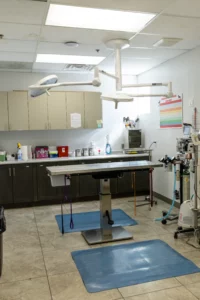
When your pet needs surgery, you want more than technical skill. You want a veterinary team that takes the time to evaluate your pet carefully, explain what to expect, and keep comfort and safety at the center of every decision. At Queen Creek Veterinary Clinic, we provide pet surgery in Queen Creek for a wide range of routine and advanced needs, from pet spay and pet neuter procedures to mass removals, bladder stone surgery, orthopedic repairs, and more. Our team uses individualized anesthesia protocols, close monitoring, and modern pain management to support pets before, during, and after surgery.
Surgical Care Built Around Your Pet
No two pets are exactly alike, which means we do not believe surgery should follow a one-size-fits-all approach. Before a procedure begins, every animal is examined by our veterinarian on the day of surgery. This allows us to review your pet’s current condition, identify any concerns that could affect anesthesia or recovery, and tailor the surgical plan to their individual needs.
Our veterinarian works alongside dedicated, trained veterinary technicians who monitor and document your pet’s condition throughout the procedure. From anesthesia through recovery, our focus is on careful observation, clear protocols, and keeping your pet as comfortable and stable as possible. We also continue monitoring after surgery until your pet is awake, recovering appropriately, and ready to return home.
Common Pet Surgeries We Perform
Our surgical capabilities cover both routine procedures and more complex medical needs. Having access to a wider range of services in one veterinary clinic can make the process easier for local pet owners, especially when a procedure requires ongoing follow-up or familiarity with your pet’s medical history.
Common surgical procedures available through our clinic include:
- Pet spay and pet neuter procedures
- Laceration repairs
- Mass removals
- Soft palate correction surgery
- Nares surgery to improve nostril openings
- Exploratory surgery
- Eye surgery
- Amputations
- Cystotomy for bladder stone removal
- Patella luxation repairs
- Dental cleaning and tooth extraction
Other surgeries may also be available depending on your pet’s condition, as well. So we encourage all owners to call our medical team to discuss the specific procedure recommended for their dog or cat and determine whether it can be performed at our clinic.
Pet Spay and Pet Neuter Procedures
Spaying and neutering are among the most common surgical procedures we perform, but routine does not mean unimportant. Every pet spay or pet neuter still involves anesthesia, pain control, monitoring, and recovery planning, so we approach these procedures with the same attention to detail we bring to more advanced surgeries.
Our team will evaluate your pet before surgery and customize the anesthetic and pain management protocol based on factors such as age, health status, and individual medical needs. We also provide clear instructions for recovery at home, including activity restrictions, incision monitoring, and any medications your pet may need. And for owners considering surgical sterilization, we’re happy to discuss timing, expectations, and any questions you may have before scheduling the procedure.
Keeping Pets Safe and Comfortable Under Anesthesia
Anesthesia is one of the biggest concerns many pet owners have when surgery is recommended, and we understand why. Our approach focuses on careful preparation and continuous monitoring throughout the procedure. Your pet’s vital signs are watched closely while they are under anesthesia so our team can respond quickly to any changes.
For most surgical procedures, we recommend placing an IV catheter and administering intravenous fluids, and these measures may be required for some patients. The IV catheter gives our team immediate access to the circulatory system if medication is needed during anesthesia, while fluids can help support blood pressure and circulation. They also assist the body as it processes anesthetic medications, which can contribute to a smoother recovery.
We also use modern pain management techniques for both cats and dogs. Keeping discomfort controlled is important not only for your pet’s immediate well-being but also for helping them rest and recover more comfortably after surgery.
Advanced and Soft Tissue Surgical Options
Some pets come to us for procedures that go beyond routine sterilization. Mass removals, laceration repairs, exploratory procedures, cystotomies, eye surgeries, and corrective airway surgeries may all be necessary depending on the diagnosis and the pet’s overall condition.
For example, soft palate correction and nares surgery can be recommended for certain pets with anatomical airway restrictions, while exploratory surgery may be used when diagnostic imaging or symptoms suggest a problem that needs to be examined directly. Cystotomy allows us to surgically remove bladder stones when appropriate, and patella luxation repair can address specific orthopedic problems affecting the kneecap.
Because surgical recommendations depend heavily on diagnosis, severity, age, and general health, we take time to explain why a procedure is being considered and what owners can expect before moving forward.
What Happens After Surgery?
Recovery begins before your pet leaves our clinic. Once the procedure is complete, our team continues monitoring as anesthesia wears off, paying attention to comfort, responsiveness, and overall stability. We want pets to be ready for a safe transition home rather than rushing the discharge process.
Before you leave, we will explain any medications, feeding instructions, activity restrictions, incision care, or follow-up needs. Some pets recover quickly from minor procedures, while others require a more gradual return to normal activity. Following those instructions closely can make a meaningful difference in the healing process and help reduce the risk of complications.
Frequently Asked Questions
Our veterinarian examines every pet before surgery and considers their current health, medical history, and procedure needs. Additional testing may be recommended if we need more information before anesthesia.
Yes. Our trained team closely monitors vital signs throughout anesthesia and records your pet’s progress during the procedure. Anesthetic and pain management protocols are customized to the individual patient.
Yes. We provide both pet spay and pet neuter surgeries and will discuss timing, preparation, anesthesia, pain control, and home recovery instructions with you.
An IV catheter and intravenous fluids are recommended for most procedures and may be required for some pets. They help support circulation and give our team immediate access to administer medication if necessary.
We perform procedures including mass removals, laceration repair, cystotomy, eye surgery, exploratory surgery, airway correction, amputations, patella luxation repair, and certain dental procedures. Call us to discuss your pet’s specific needs.
Give Your Pet Thoughtful Surgical Care Close to Home
Surgery can feel stressful, but having a veterinary team you trust can make the process much easier to navigate. At Queen Creek Veterinary Clinic, we combine careful examinations, individualized anesthesia, attentive monitoring, modern pain management, and clear recovery guidance for pets undergoing both routine and advanced procedures. So whether your pet needs a spay, neuter, mass removal, orthopedic repair, or another surgical service, our goal is to provide capable care while keeping you informed throughout the process. Just call us at (480) 987-8000 to discuss your pet’s needs or schedule a surgical consultation.