

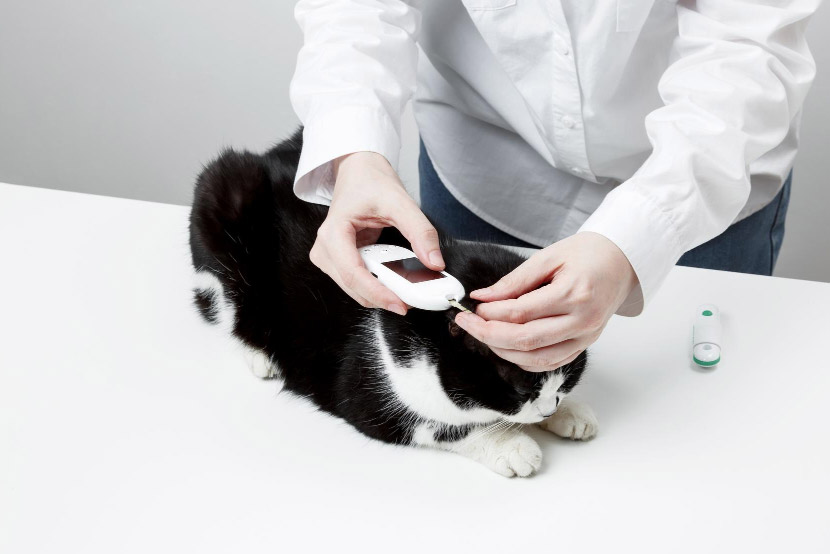
A new puppy or kitten brings a whirlwind of movement and curiosity. One minute they’re curled up beside you, the next they’re investigating a doorway or chasing something invisible. In those early weeks, while you’re planning vaccines and training, there’s one small step that creates lasting protection: microchipping. At Queen Creek Veterinary Clinic, we recommend
Pet Education Blog
A collection of helpful articles, recommendations and helpful tips for you and your pet.

A Lifelong ID for Your Pet: What Happens During a Microchipping Appointment
At Queen Creek Veterinary Clinic, we know how quickly a normal day can turn stressful if a pet goes missing. Microchipping is one of the most reliable ways to protect your dog or cat, yet many pet owners are unsure what the appointment actually involves. The good news is that it is quick, simple, and

Fur Season Is Here: Shedding Tips for Pet Owners in Queen Creek
If you are finding pet hair on your floors, furniture, and even your favorite clothes, shedding season has likely arrived. Dogs and cats naturally shed as their coats adjust to changing temperatures and daylight patterns. In Queen Creek and surrounding East Valley communities, warm desert weather and indoor climate control can make shedding feel more
Puppy and Kitten Spring Cleaning Safety: Protecting Young Pets During Seasonal Chores
Spring is one of the most common seasons for families to welcome a new puppy or kitten into their home. Warmer weather encourages outdoor activity, longer daylight hours create more opportunities for bonding and training, and many households feel motivated to deep clean and reorganize living spaces. While this seasonal refresh can improve comfort and
Why Some Pets Struggle During Arizona’s Allergy Seasons
Arizona’s beautiful desert climate means warm temperatures and outdoor activities nearly year round. For many pets, however, the same environment can trigger seasonal allergies. Dogs and cats in Queen Creek are commonly exposed to allergens such as grass pollen, desert weeds, dust, and mold spores. While people with allergies usually experience sneezing or sinus pressure,