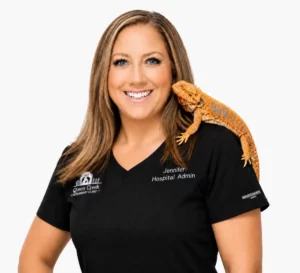

Exotic Pets in Queen Creek, AZ
Finding veterinary care for an exotic pet can be more complicated than finding care for a dog or cat, especially when different species have very different medical needs. At Queen Creek Veterinary Clinic, our exotic vet services in Queen Creek are available for many small mammals, reptiles, amphibians, and small avian pets. Dr. Melanie Bliudzius has a special interest and experience in treating exotic animals, and our team provides thoughtful care while also recognizing when referral to a specialist is the better choice. Whether you need a bird veterinarian, lizard veterinarian, rabbit care, or help with another eligible exotic pet, we ask that you call first so we can confirm availability.
Exotic Pets We Commonly See
Exotic medicine covers a wide range of species, which is why it is important to make sure we are equipped to see your particular pet before you arrive. Dr. Melanie Bliudzius provides care for many exotic pets at our clinic. She is not a board-certified exotic animal specialist, but she has a strong interest in this area of veterinary medicine and experience treating a variety of nontraditional companion animals.
We commonly see:
- Rabbits
- Guinea pigs
- Hamsters
- Ferrets
- Chinchillas
- Rats
- Bearded dragons
- Geckos
- Tegus
- Monitor lizards
- Tortoises
- Red-eared sliders
- Box turtles
- Sulcata tortoises
- Hognose snakes
- Ball pythons
- Boas
- Frogs
- Small avian pets
If your animal is not listed, please call before scheduling. Our team can let you know whether we can appropriately evaluate your pet or whether a specialty hospital would be a better fit.
When We Recommend an Exotic Animal Specialist
Part of providing responsible veterinary care is knowing when a patient needs a higher level of specialty support. We do not currently see macaws, cockatoos, chickens, sugar gliders, chameleons, monkeys, farm animals, or large animal patients. We also no longer provide equine health travel certificates, so horse owners will need to work with an equine or large animal veterinarian for those services.
Animals experiencing severe distress may also need immediate specialty care rather than a routine appointment with us. Exotic pets with significant breathing difficulty, suspected egg binding, or other severe emergencies are referred to an appropriate specialty facility because these cases may require equipment, staffing, or advanced expertise beyond what we can provide. We also do not carry vaccines specifically for non-cat and non-dog species.
A Local Option for Small Mammal Care
Small mammals can develop health problems quickly, and subtle changes in appetite, activity, grooming, or bathroom habits may be the first indication that something is wrong. Our team provides general veterinary evaluation for eligible small mammals, including rabbits, guinea pigs, hamsters, ferrets, chinchillas, and rats. Because these animals often hide illness, we encourage owners to pay close attention to changes in normal behavior and contact us when something seems unusual.
Our approach considers the whole animal, including diet, housing, activity, weight, and species-specific needs. Small mammals are not simply miniature dogs or cats, so their care requires different handling, examination techniques, and medical considerations. When a case goes beyond our capabilities, we are upfront about recommending specialty care rather than delaying access to more advanced treatment.
Rabbit Veterinary Care and Preventive Support
Rabbits are popular house pets because they are quiet, social, intelligent, and full of personality, but they do require careful husbandry and preventive care. Our rabbit services include general health examinations, limited emergency care, and spay and neuter surgery when appropriate. We do not carry rabbit-specific vaccines, and we ask owners to call first so we can confirm that a veterinarian experienced in rabbit care is available.
Decreased appetite, wounds, and signs of pain are among the concerns that should prompt a call to our clinic. Rabbits depend on constant movement of food through the digestive system, so a change in eating can become serious quickly. If we believe your rabbit needs a higher level of exotic medicine, imaging, hospitalization, or emergency support, we may recommend transfer to a specialist.
Housing Rabbits Safely in the Arizona Climate
Rabbit housing needs to provide enough room for movement, stretching, eating, drinking, and resting. A small rabbit should have at least a 2-foot by 2-foot living area, although larger pens, rabbit-proofed rooms, and spacious indoor enclosures are often better choices. Rabbits also need daily exercise outside their primary enclosure, ideally for several hours, with electrical cords, furniture, and other chewable hazards safely protected.
Arizona heat makes outdoor rabbit housing especially challenging. Rabbits overheat easily, and temperatures above 85 degrees can become unsafe. Outdoor rabbits need deep shade, reliable cooling, fresh water, and close supervision, but indoor housing is often the safer choice during extreme summer heat. Predators such as hawks, owls, coyotes, and cats are another concern, so rabbits should never be left outside in an unsecured area.
Rabbit Nutrition, Grooming, and Everyday Health
A rabbit’s diet should center on unlimited grass hay, such as timothy hay, because fiber is essential for digestive health. Orchard grass or oat hay can also be appropriate, while alfalfa is generally better reserved for specific situations such as young, pregnant, nursing, or recovering rabbits. Pellets should be used more sparingly, and fresh leafy greens can add variety and important nutrients when introduced appropriately.
Rabbits also need regular nail trims, enrichment, and safe objects to chew because their teeth grow continuously. Toys, hay mats, cardboard, untreated wicker, paper products, and safe wooden items can provide both exercise and mental stimulation. Spaying or neutering can also reduce certain reproductive health risks and undesirable behaviors, and our team can discuss whether surgery is appropriate for your individual rabbit.
Reptile and Lizard Veterinary Care
Reptile medicine is heavily influenced by husbandry, which means temperature, humidity, lighting, diet, enclosure setup, and supplementation can all affect health. As a lizard veterinarian resource for many eligible species, we evaluate animals such as bearded dragons, geckos, tegus, and monitor lizards along with tortoises, turtles, snakes, and frogs. We only see non-venomous reptiles, and owners should call ahead if they are unsure whether their species can be seen.
During an appointment, our team may ask detailed questions about your pet’s enclosure, heating, UVB exposure, food, supplements, shedding, stool, appetite, and activity. These details often provide important context because problems that look medical may also be influenced by environmental or nutritional factors. When specialty testing or advanced treatment is needed, we can help guide you toward an exotic animal specialist.
Small Avian Pet Care
Birds can hide signs of illness until a condition is more advanced, so even small changes in appetite, droppings, activity, vocalization, breathing, or posture deserve attention. We provide care for certain small avian pets, but we do not see macaws or cockatoos and recommend specialty care for those larger parrots. If you are looking for a bird veterinarian for another species, please call first so we can confirm whether your bird falls within the types we currently treat.
Any bird experiencing difficulty breathing or severe distress should be evaluated by an emergency or specialty provider capable of handling avian critical care. Our priority is always directing patients to the setting most appropriate for their condition, even when that means referring outside our clinic.
End-of-Life Care for Exotic Pets
When an exotic pet is suffering and recovery is no longer possible, any of our veterinarians can provide humane end-of-life care. These decisions can be especially emotional for owners of rabbits, reptiles, birds, and other small pets because they are deeply bonded family members, even if their veterinary needs differ from those of dogs and cats.
Depending on the species and the safest way to perform the procedure, owners may not always be able to remain present during euthanasia. Our team will explain what to expect, answer questions, and focus on keeping the process as peaceful and respectful as possible.
Frequently Asked Questions
Yes. We ask owners to call first so we can confirm that your species is one we currently see and that a veterinarian experienced with that type of pet is available.
No. We no longer see chickens, farm animals, or large animal patients, and we do not provide equine health travel certificates. We recommend contacting a farm or equine veterinarian instead.
Yes, depending on availability and severity. Decreased appetite can become serious in rabbits, so call us promptly. If your rabbit needs advanced or emergency exotic care, we may refer you to a specialist.
Yes, we see many non-venomous reptiles, including bearded dragons, geckos, tegus, monitor lizards, tortoises, turtles, and certain snakes. Call first if you are unsure whether your species is eligible.
We do not currently carry vaccines specifically for non-cat and non-dog pets. Our team can still provide examinations and other appropriate care for many eligible exotic species.
Give Your Exotic Pet Care That Fits Their Species
Exotic pets deserve veterinary care that recognizes how different their needs can be from those of dogs and cats. At Queen Creek Veterinary Clinic, we provide thoughtful care for many rabbits, small mammals, reptiles, amphibians, and small avian pets while being clear about when specialist referral is the safer option. So whether you’re looking for a bird veterinarian, a lizard veterinarian, or an exotic vet in Queen Creek for a small mammal, our team is here to help you understand the next step. Just contact us before your visit so we can confirm that we are able to see your species and arrange the appropriate appointment.